
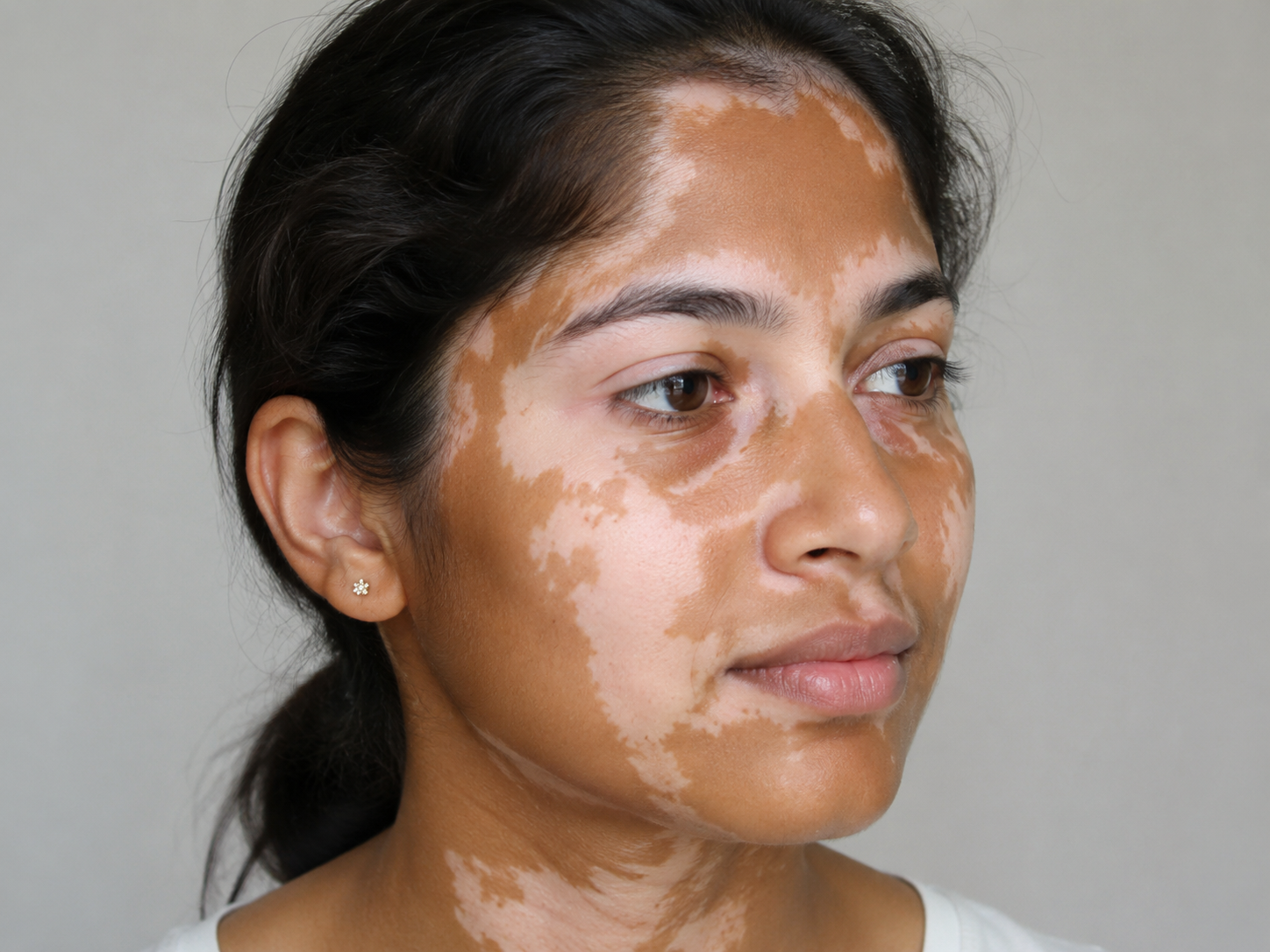
Vitiligo: Which Treatments Actually Help — and What to Be Cautious Of
Vitiligo is not untreatable — but not everything sold as a treatment works. Dr Jean Louw separates the evidence-based options from the claims that deserve caution.
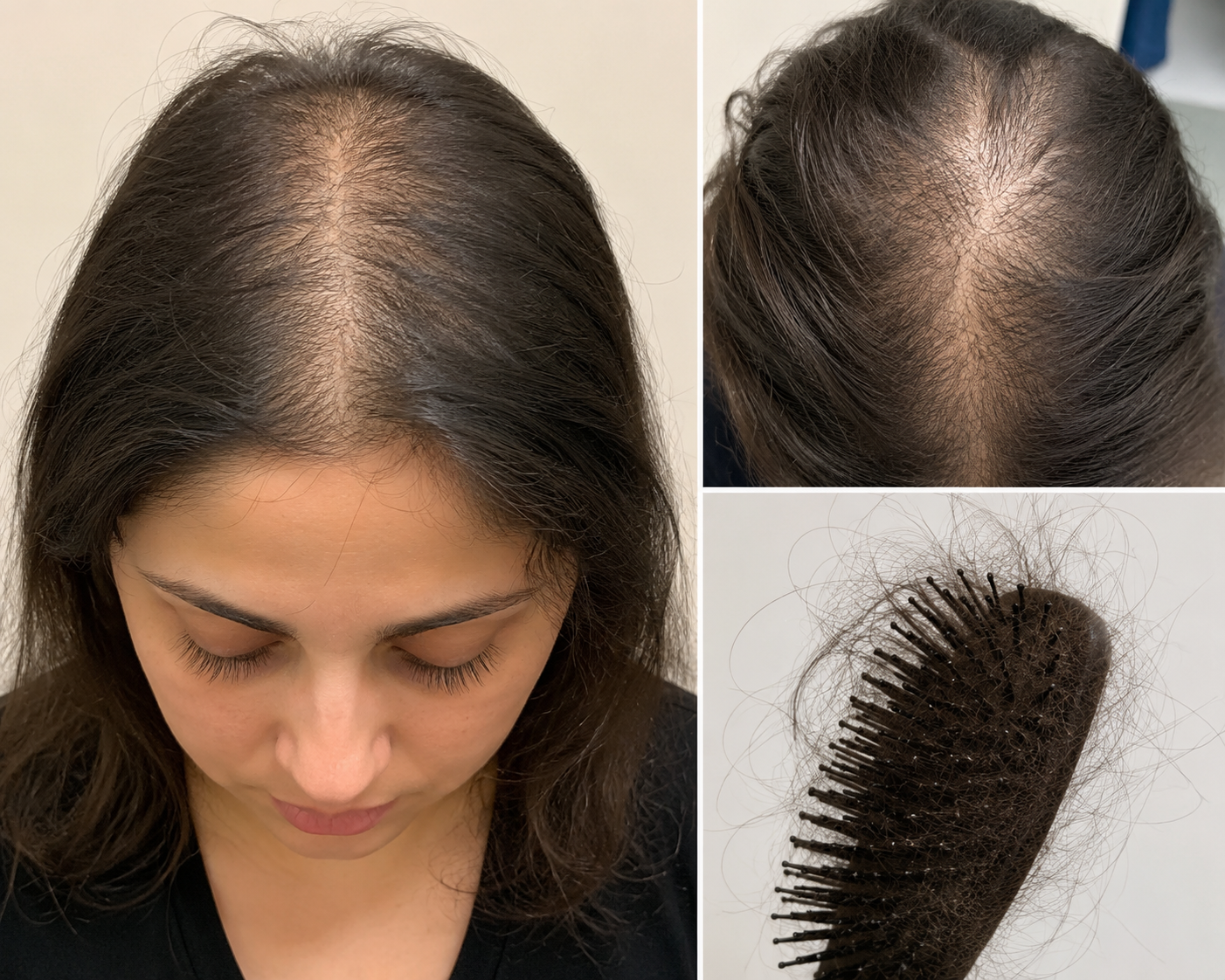
Hair Loss: When Should You See a Dermatologist?
Hair loss is one of the most common concerns I see in my practice, and one of the most distressing. Patients often tell me they waited months — sometimes years — before seeking help, either because they hoped it would resolve on its own or because they assumed nothing could be done.
Both assumptions can be costly. Some forms of hair loss do settle by themselves, but others are progressive, and a few cause permanent, irreversible loss if treatment is delayed. The good news is that most causes of hair loss can be diagnosed accurately and managed effectively — provided the diagnosis is made early and correctly.
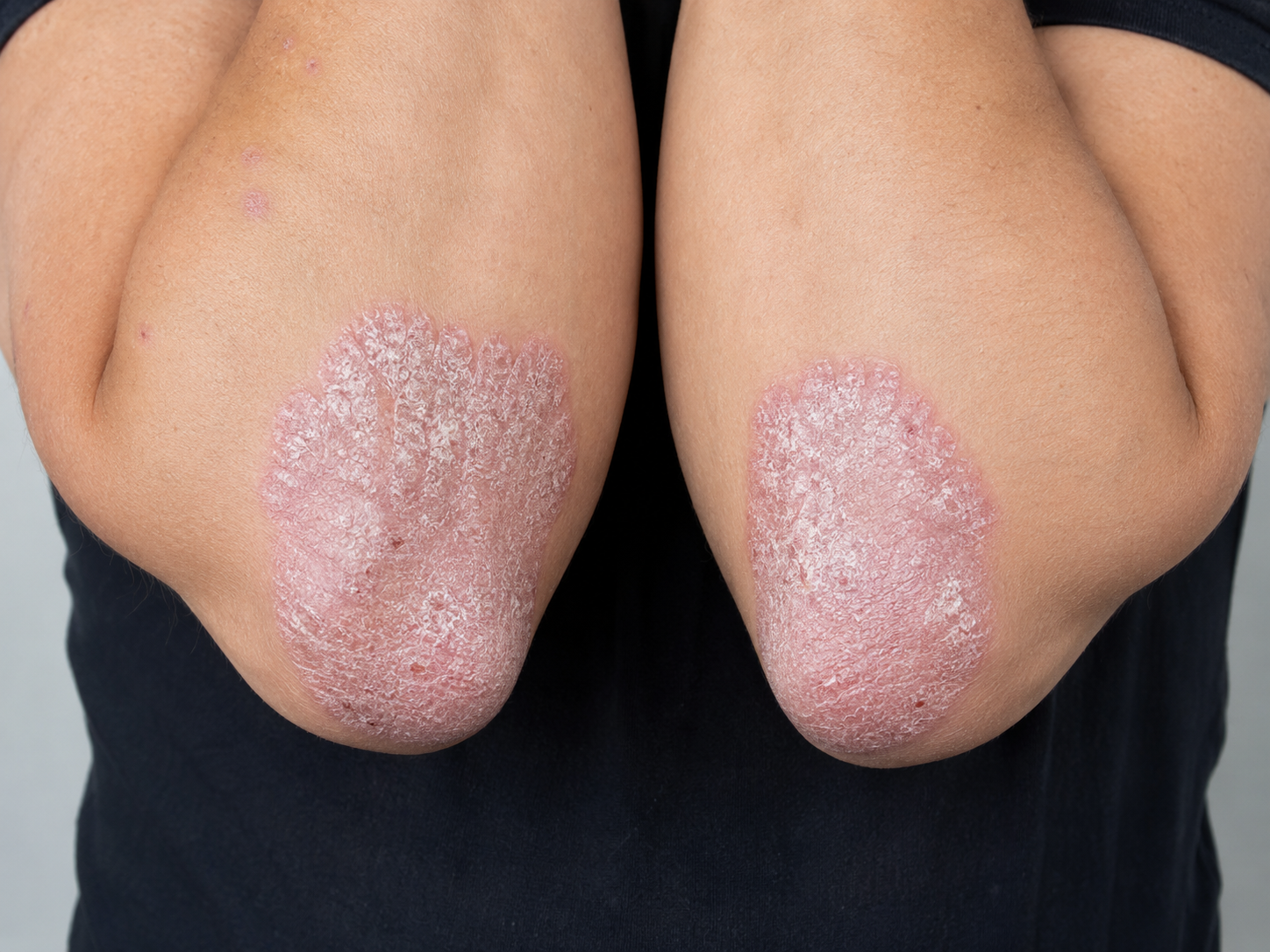
Psoriasis and Metabolic Syndrome: Why Psoriasis Is More Than Skin Deep
Psoriasis is linked to diabetes, high blood pressure and heart disease. Specialist dermatologist Dr Jean Louw explains what psoriasis patients should check.

Tranexamic Acid and Microneedling for Melasma: A Promising Combination
Melasma, a common skin pigmentation disorder, can be challenging to treat. Recent research highlights the potential of combining tranexamic acid (TXA) and microneedling as an effective treatment option. This combination therapy has shown enhanced efficacy, faster improvement, and higher patient satisfaction compared to traditional treatments. While promising, it's crucial to consult a qualified dermatologist to determine the best approach for individual cases. Proper sun protection remains essential in managing melasma, especially in sunny climates like Cape Town.

Comprehensive Acne Management: New Insights for Patients in Cape Town
This comprehensive guide explores the latest approaches to acne management for patients in Cape Town. It covers holistic acne assessment, treatment of truncal acne, prevention and management of acne scars and post-inflammatory hyperpigmentation, hormonal therapies for adult female acne, and the importance of a good skincare routine. The post emphasizes the need for personalized treatment plans and highlights promising areas of future research. It encourages readers struggling with acne to seek professional help for effective management of this common but impactful skin condition.

Periorbital Hyperpigmentation: Why PRP is the preferred treatment option over mesotherapy
This blog post explores Platelet-Rich Plasma (PRP) therapy as a preferred treatment for periorbital hyperpigmentation (POH) in Cape Town. It discusses the causes of POH and explains why PRP is often recommended over other treatments like Mesotherapy. The post emphasizes PRP's natural origin, reduced risk of allergic reactions, and effectiveness based on recent research. It also provides information on the PRP treatment process and offers advice on complementary skincare approaches for managing POH.

Platelet-Rich Plasma for Melasma: A Promising New Treatment Option
Platelet-rich plasma (PRP) therapy is emerging as a promising treatment for melasma, a common skin pigmentation disorder. This blog post explores the growing evidence supporting PRP's efficacy, how it compares to traditional treatments, and what patients can expect during the procedure. While more research is needed, early studies show PRP can significantly reduce melasma severity with minimal side effects. For melasma patients in Cape Town who haven't found success with other options, PRP offers an exciting new approach worth considering under the guidance of a qualified dermatologist.

Comprehensive Guide to Rosacea Management: From Diagnosis to Treatment
Discover the latest approaches to managing rosacea, from topical treatments to emerging therapies. This comprehensive guide covers diagnosis, classification, and treatment options, with insights from Cape Town dermatologists. Learn how to effectively control symptoms and improve your quality of life.

Adjuvant Pembrolizumab (Keytruda) for Melanoma: A Game-Changer in Treatment
Adjuvant pembrolizumab therapy has shown significant promise in improving outcomes for patients with high-risk stage III melanoma. A major clinical trial demonstrated improved distant metastasis-free and recurrence-free survival rates compared to placebo. This immunotherapy works by enhancing the body's natural defenses against cancer cells. While side effects can occur, the benefits often outweigh the risks for many patients. This advancement represents a major step forward in melanoma treatment, offering hope to patients in Cape Town and beyond.

The Unexpected Link: Breast Cancer and Melanoma
Discover the surprising link between breast cancer and melanoma. Learn about the increased risks, prevention strategies, and the importance of comprehensive screenings. Find out how Cape Town dermatologists are addressing this connection and what it means for your health.

Tinea Capitis in Children: What Parents Need to Know
Tinea capitis is a common fungal scalp infection in children. Symptoms include scaly patches, hair loss, and itching. It's caused by dermatophytes and spreads through direct contact or shared items. Diagnosis involves clinical examination and laboratory tests. Treatment typically requires oral antifungal medication and topical treatments. Prevention strategies include good hygiene and avoiding sharing personal items. If left untreated, it can lead to permanent hair loss and scarring. Early professional intervention is crucial for effective management and preventing complications. Panorama Dermatology Clinic offers comprehensive care for tinea capitis and other skin conditions.

Comparing IPL and PDL for Rosacea Treatment: New Insights
Rosacea sufferers, take note! A recent meta-analysis reveals exciting insights into two popular treatments: Intense Pulsed Light (IPL) and Pulsed-Dye Laser (PDL). Both show high efficacy, with IPL slightly edging out in achieving substantial improvement. While equally effective in reducing redness, PDL treatments were found to be less painful. These findings offer hope for better rosacea management, though more research is needed. Curious about which treatment might work best for you? Contact our dermatology team to explore your options.

Reducing Skin Irritation from Retinoids: New Approaches for Smoother, Healthier Skin
Retinoids are powerful skincare ingredients that can improve acne and aging skin, but often cause irritation. Dermatologists and scientists are developing innovative ways to minimize these side effects. New approaches include nanoparticle encapsulation, lipid-based carriers, and liposomes, which can deliver retinoids more gently to the skin. Combining retinoids with soothing ingredients like glucosamine and plant extracts also shows promise. While many of these technologies are still being perfected, some are already available in skincare products. Look for terms like "encapsulated" or "low-irritation" when shopping for retinoid treatments.

Enhancing Hair Growth with PRP and Minoxidil
Discover an advanced approach to treating androgenetic alopecia with a combination of PRP and Minoxidil. This innovative treatment, available from a dermatologist in Cape Town, enhances hair density and patient satisfaction, offering a promising solution for those struggling with hair loss. Explore effective hair restoration options today.

A New Approach to Treating Post-Traumatic Scars
Post-traumatic scars can impact both appearance and mental health. An innovative treatment combining subcision, platelet-rich plasma (PRP), and microneedling has shown promising results in reducing these scars. This approach breaks down scar tissue and stimulates collagen production, enhancing skin texture and appearance. A recent study demonstrated that patients treated with PRP had significant improvements compared to those treated with saline, with minimal side effects and high satisfaction rates. This combination therapy offers a safe, effective, and non-invasive option for those seeking to improve their skin's health and appearance under the care of a dermatologist.

Understanding and Treating Melasma: A Patient's Guide
Melasma is a common dermatological condition characterized by hyperpigmented patches on facial skin. Effective management involves a multi-step approach tailored to each patient's needs. Initial interventions include reassessing hormonal contraception, diligent application of broad-spectrum sunscreen, and use of over-the-counter depigmenting agents. If these measures prove insufficient after eight weeks, consultation with a dermatologist is recommended. Treatment options may include prescription-strength topical medications such as azelaic acid, retinoids, or hydroquinone. For refractory cases, advanced therapies like tranexamic acid or laser treatments may be considered.

Conquering the Aftermath: Your Guide to Erasing Post-Acne Brown Spots
Here's a 75-word summary of the rewritten article on removing post-acne brown spots:
Post-acne brown spots, caused by excess pigmentation from inflammation, are more common than acne scars. These flat, dark marks are especially prevalent in people with darker skin tones. Two main treatment options exist: daily sunblock application to prevent further darkening, and the use of prescription skin-lightening creams containing ingredients like hydroquinone or retinoids. Treatment can take weeks to months for visible results. Prevention is key – avoid pressing or squeezing pimples to minimize inflammation and subsequent brown spots.