
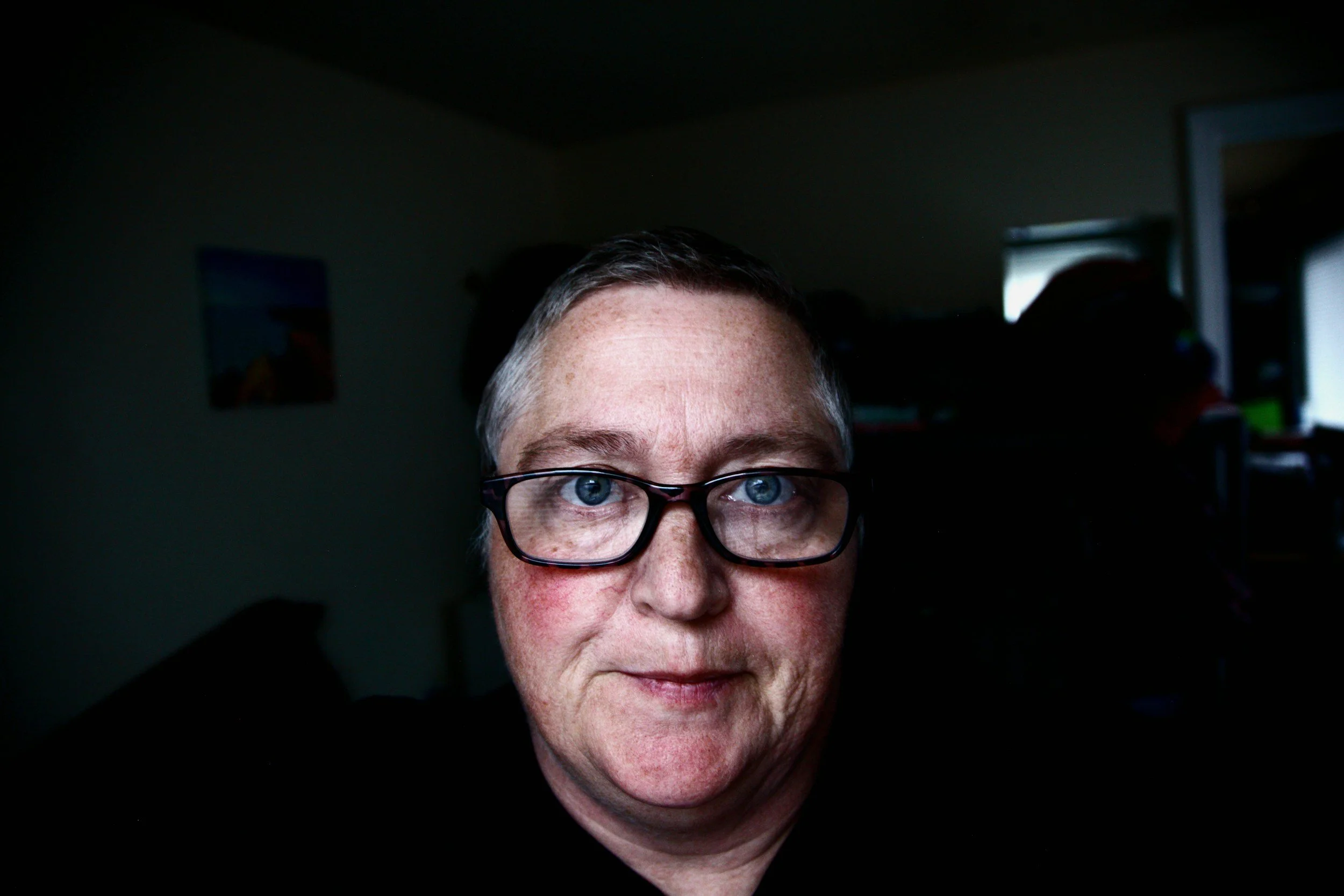
Rosacea Treatment in Cape Town
Living with rosacea can be frustrating. The persistent redness, visible blood vessels, and occasional flare-ups of bumps and pustules on the face can affect both your appearance and your confidence. At Panorama Dermatology Clinic, Dr Jean Louw provides specialist diagnosis and evidence-based treatment for all types and stages of rosacea.
If you are dealing with facial redness that will not settle, or if you have been told you might have rosacea, a consultation with a specialist dermatologist is the most effective first step toward lasting control.
What Is Rosacea?
Rosacea is a chronic inflammatory skin condition that primarily affects the central face — the cheeks, nose, chin, and forehead. It is most common in fair-skinned adults between the ages of 30 and 60, though it can affect anyone.
Rosacea is not simply "sensitive skin" or adult acne, although it can resemble both. It is a distinct medical condition with its own causes, triggers, and treatment pathways. Without appropriate treatment, rosacea tends to worsen gradually over time.
Types of Rosacea
Dermatologists classify rosacea into several subtypes, and many patients experience features of more than one:
Erythematotelangiectatic rosacea — persistent facial redness, flushing, and visible blood vessels (telangiectasia). The skin may feel hot, tight, or stinging.
Papulopustular rosacea — red bumps (papules) and pus-filled spots (pustules) on a background of facial redness. This subtype is sometimes confused with acne, but unlike acne there are no blackheads or whiteheads.
Phymatous rosacea — thickening of the skin, most commonly on the nose (rhinophyma). This subtype is less common and tends to develop gradually over years.
Ocular rosacea — redness, irritation, and dryness of the eyes and eyelids. This is often underdiagnosed and may occur with or without skin involvement.
Understanding which type of rosacea you have is essential for selecting the right treatment. Dr Louw performs a thorough clinical assessment at every consultation to determine the most appropriate management plan.
Common Rosacea Triggers
While the exact cause of rosacea is not fully understood, several factors are known to trigger or worsen flare-ups. Common triggers include:
- Sun exposure and UV radiation
- Hot or cold weather and wind
- Spicy foods and hot beverages
- Alcohol, particularly red wine
- Emotional stress
- Vigorous exercise
- Hot baths and saunas
- Certain skincare products, especially those containing alcohol, fragrance, or harsh exfoliants
Identifying and managing your personal triggers is an important part of long-term rosacea control. During your consultation, Dr Louw will discuss trigger avoidance strategies tailored to your lifestyle and the Cape Town climate.
How We Treat Rosacea
At Panorama Dermatology Clinic, rosacea treatment is tailored to the individual. There is no single treatment that works for everyone, so Dr Louw develops a personalised plan based on your rosacea subtype, severity, triggers, and treatment history.
Topical Treatments
Topical therapies are the cornerstone of rosacea management for most patients. Evidence-based options include:
- Metronidazole cream or gel — a well-established anti-inflammatory treatment applied once or twice daily
- Azelaic acid — effective for both redness and inflammatory papules, with a good safety profile for long-term use
- Ivermectin cream — approved specifically for papulopustular rosacea, targeting the Demodex mites that may play a role in rosacea inflammation
- Brimonidine gel — a topical treatment that temporarily reduces persistent facial redness by constricting blood vessels
Dr Louw will advise on which topical treatment is best suited to your skin and symptoms.
Oral Treatments
For moderate to severe rosacea, or when topical treatments alone are not enough, oral medications may be recommended:
- Doxycycline at a sub-antimicrobial dose (40 mg daily) — used for its anti-inflammatory properties rather than as an antibiotic, this is one of the most evidence-supported oral treatments for rosacea
- Other oral antibiotics may be considered in selected cases for short courses
Laser and Light-Based Treatments
For persistent redness and visible blood vessels that do not respond sufficiently to topical or oral treatments, light-based therapies can be very effective:
- Intense Pulsed Light (IPL) — targets redness and broken capillaries, with studies showing high patient satisfaction and significant improvement in background redness
Recent research, including a meta-analysis we have discussed on our blog, confirms that both IPL and Pulse Dye Laser are effective for rosacea, with IPL showing a slight advantage in achieving substantial improvement and PDL being associated with less discomfort during treatment.
Dr Louw will discuss whether laser or light-based treatment is appropriate for your case and what results you can realistically expect.
Skincare Guidance
Choosing the right skincare products is important when you have rosacea. Many over-the-counter products contain ingredients that can irritate rosacea-prone skin. Dr Louw provides practical skincare advice as part of every rosacea consultation, including:
- Gentle, fragrance-free cleansers
- Barrier-repair moisturisers
- Broad-spectrum sunscreen (essential for rosacea management in Cape Town's sunny climate)
- Avoidance of known irritants
Why See a Specialist Dermatologist for Rosacea?
Rosacea is a chronic condition that benefits from specialist management. A dermatologist can:
- Accurately diagnose rosacea and distinguish it from conditions that look similar, such as acne, lupus, or seborrhoeic dermatitis
- Identify your specific rosacea subtype and tailor treatment accordingly
- Prescribe treatments that are not available over the counter
- Monitor your progress and adjust your treatment plan over time
- Offer advanced therapies such as laser and IPL when indicated
Dr Louw is a board-certified specialist dermatologist (FC Derm SA, MMed Dermatology) with additional UK specialist training (CCST) and over 25 years of clinical experience. He personally manages every rosacea consultation, diagnosis, and treatment plan — ensuring continuity of care from your first visit onward.
Frequently Asked Questions About Rosacea
Q: Is rosacea curable? Rosacea is a chronic condition with no permanent cure, but it can be controlled very effectively. With the right combination of trigger management, prescription treatment and, where appropriate, laser or IPL, most patients achieve long periods of clear or near-clear skin.
Q: What triggers rosacea flare-ups? Common triggers include sun exposure, heat, alcohol, spicy food, hot drinks, stress and certain skincare products. Triggers vary from person to person, so keeping a simple flare diary is often revealing. In Cape Town's sunny climate, daily broad-spectrum sunscreen is the single most important preventive step.
Q: Is rosacea caused by poor hygiene or drinking? No. Rosacea is an inflammatory skin condition, not an infection, and it is not caused by poor hygiene. Alcohol can trigger flushing in people who already have rosacea, but it does not cause the condition — many patients with rosacea drink little or no alcohol.
Q: How is rosacea different from acne? Rosacea typically starts after the age of 30, causes flushing, persistent redness and small inflamed bumps on the central face, and lacks the blackheads and whiteheads seen in acne. The distinction matters because some acne treatments can make rosacea worse. A specialist examination ensures you are treating the right condition.
Q: Can laser or IPL treatment help rosacea? Yes. Once the inflammatory component is controlled with medical treatment, vascular laser or IPL is the most effective option for persistent background redness and visible blood vessels, which respond poorly to creams and tablets. Dr Louw performs these treatments personally.
Q: Will medical aid cover rosacea treatment? Dermatology consultations and prescribed medical treatment for rosacea are generally covered to the limits of your plan. Laser or IPL for redness is often classified as cosmetic and may not be covered. The practice can provide procedure codes for you to confirm benefits with your scheme.
Q: When should I see a dermatologist about facial redness? Book an assessment if facial redness persists for more than a few weeks, if over-the-counter products have not helped, or if your eyes are red, gritty or irritated — eye involvement (ocular rosacea) needs specialist attention. Earlier treatment generally means easier control.
Serving Cape Town's Northern Suburbs
Panorama Dermatology Clinic is located at 46 Hennie Winterbach Street, Panorama, Cape Town — conveniently positioned for patients from Durbanville, Bellville, Brackenfell, Kraaifontein, Parow, Goodwood, and the greater Tygerberg area.
If you are looking for a rosacea specialist near Panorama or Cape Town's northern suburbs, we are easy to reach from the N1 and Voortrekker Road, with ample parking available.
Book Your Rosacea Consultation
If facial redness, flushing, or visible blood vessels are affecting your daily life, a specialist rosacea consultation is the most effective first step. Dr Louw will assess your skin, explain your options clearly, and work with you to develop a treatment plan that fits your needs.
Call us on 021 911 5470 or send a WhatsApp to 079 321 1973 to book your appointment.