

How Sunlight Causes Skin Cancer
Sunlight contributes to skin cancer, primarily through UVB radiation, which damages DNA in skin cells. This damage leads to solar keratosis, the earliest stage of squamous cell carcinoma, confined to the epidermis. With continued sun exposure, DNA damage can become irreparable, potentially progressing to squamous cell carcinoma that invades deeper skin layers. Early treatment of solar keratosis is essential to prevent further development and reduce the risk of more dangerous skin cancers.

Comprehensive Treatment Options for Acne Scarring
Treating acne scars requires a tailored approach based on scar depth. Superficial scars may be treated with creams, lasers, and needling, while mid-depth scars require subcision or fillers. Deep scars often need more intensive methods like the CROSS technique, punch excision, or fillers. Multiple treatments are often necessary for best results.

Understanding Different Types of Skin Scarring
Skin scarring is categorized into three types: tissue excess (keloids and hypertrophic scars), tissue loss (indentations like acne scars), and surface changes (color or texture changes without contour changes). Each type has unique characteristics and requires different treatments, ranging from injections and lasers to topical creams and surgical options.

Botox: A quick guide
Botox smooths facial lines by relaxing specific muscles, treating frown lines, crow's feet, and more. It's safe, with minimal side effects, and effects last 3-6 months. Costs vary based on units used. Best avoided during pregnancy for safety.
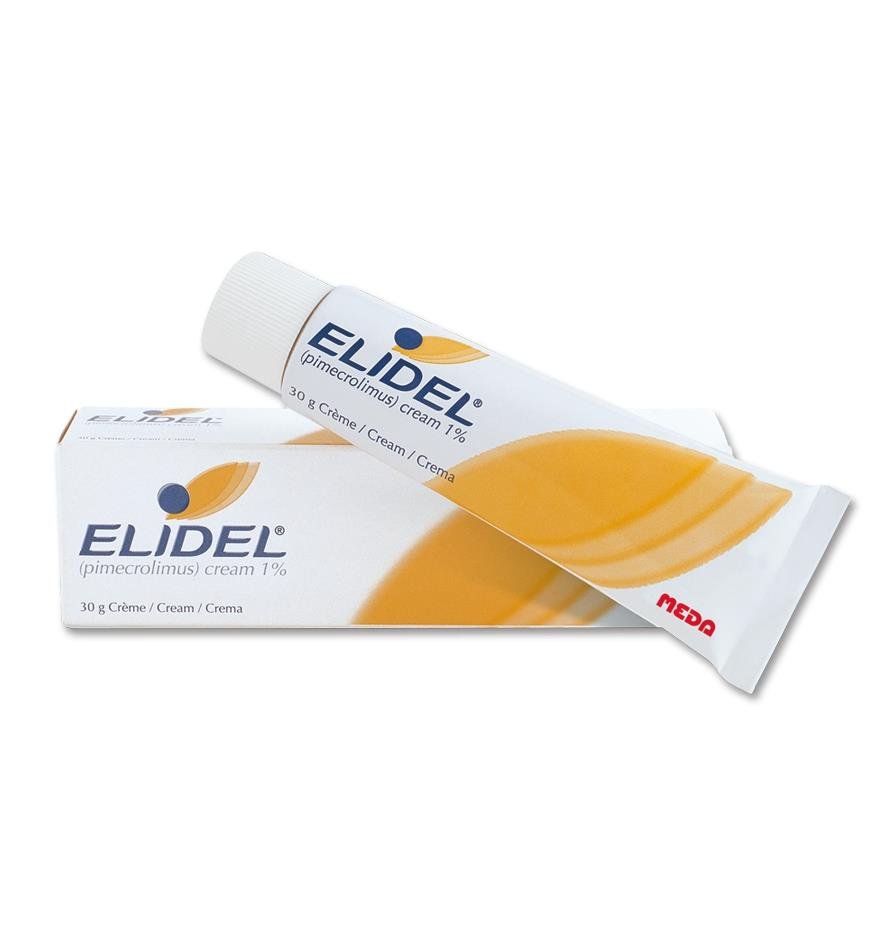
Pimecrolimus (Elidel) for Eczema: What It Does and How It Helps
Pimecrolimus (Elidel) is a topical immunosuppressant used to treat Atopic Dermatitis, particularly in patients aged 2 years and older. It inhibits Calcineurin, a molecule that activates T-lymphocytes, which play a role in eczema flare-ups. Pimecrolimus is often used when patients struggle to reduce their reliance on corticosteroids. Side effects are generally mild, with some users experiencing a brief burning sensation. However, the long-term risks, including a potential link to skin cancer, remain unclear. Despite these concerns, Pimecrolimus remains a valuable option for managing difficult cases of eczema.
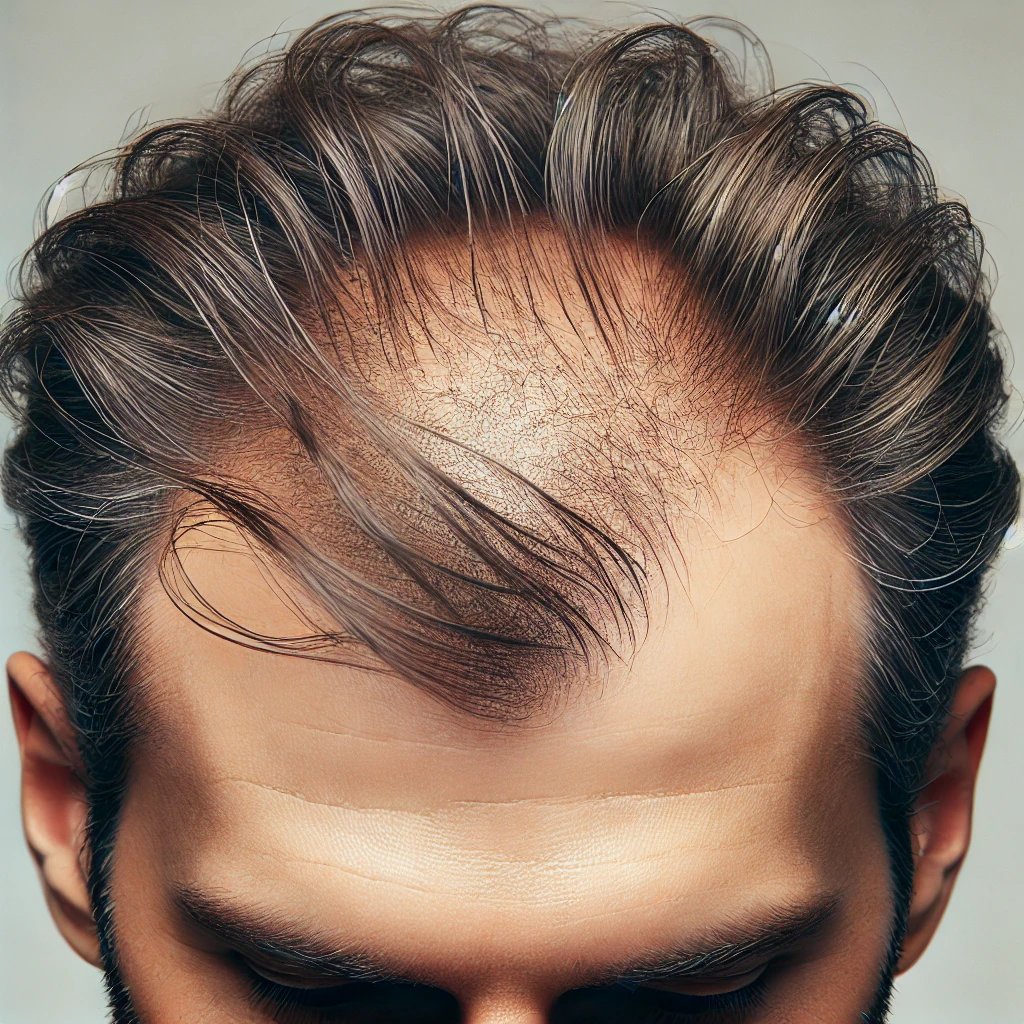
Hair Loss 101: How Dermatologists Diagnose It
When a dermatologist evaluates a patient with hair loss, the first step is to check for signs of inflammation or scarring on the scalp, such as redness, scaling, or follicle destruction. Hair loss conditions are categorized into scarring and non-scarring alopecia. Scarring alopecia often requires a scalp biopsy to diagnose the cause. Non-scarring alopecia is further assessed based on the pattern of hair loss: Alopecia Areata for isolated patches, Telogen Effluvium for diffuse loss, and Androgenetic Alopecia for pattern baldness. Most hair loss cases fit these patterns, guiding the dermatologist’s approach to treatment.

Understanding Dyshidrotic Eczema
Dyshidrotic eczema, also known as pompholyx, typically affects the sides of the fingers, toes, palms, and soles, causing intensely itchy, small blisters filled with clear fluid. The condition may be caused by various factors, including allergic contact dermatitis, irritant dermatitis, infections, or stress. Treatment focuses on identifying and removing the cause if possible. When the cause remains unclear, symptom relief is the primary goal, often involving the use of potent topical corticosteroids and moisturizers. In severe cases, other treatments like light therapy, oral prednisolone, or immunosuppressants may be necessary to manage the condition effectively.

Acne During Pregnancy: What You Need to Know
Acne is common during pregnancy, with its severity varying greatly among women. Treating acne during pregnancy is challenging, as only certain medications and procedures are safe to use. The FDA classifies drugs into categories based on safety for the fetus, with Category A and B being the safest. Topical treatments like Clindamycin phosphate and Azelaic Acid are generally safe, while oral antibiotics like Amoxicillin or Cephalexin may be used in more severe cases. However, each treatment option's risks and benefits must be carefully considered, as no medication is entirely without risk during pregnancy.

The role of diet in Acne
Many wonder if certain foods, like chocolate, cause acne. However, there’s no solid scientific proof yet. The best advice is to avoid foods you notice trigger your acne.
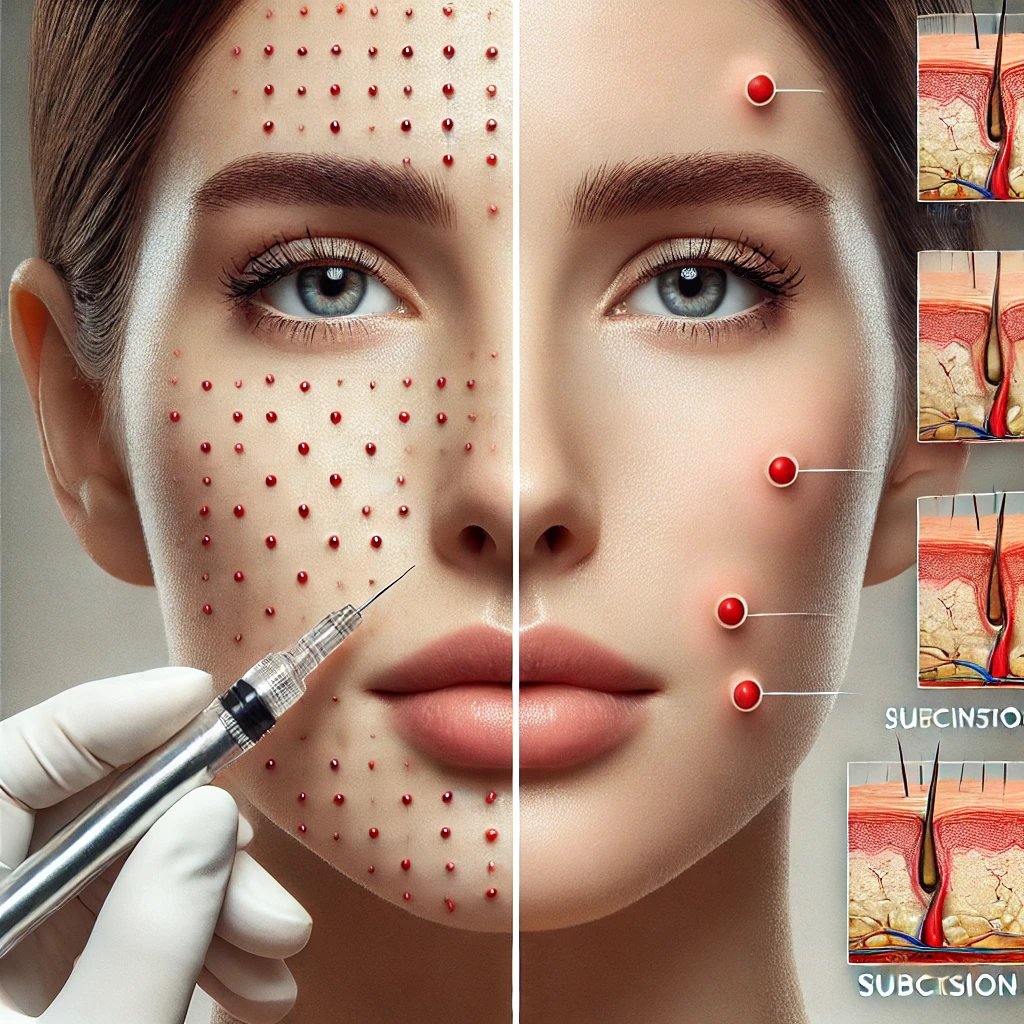
Comparing PRP with Subcision vs. PRP with Microneedling for Atrophic Acne Scars: A Split-Face Study
This study compared the effectiveness of microneedling with PRP versus subcision with PRP for treating atrophic acne scars in a split-face design. Both treatments showed significant improvement, but no notable difference was found between the two methods in the qualitative improvement of scars.

Understanding and Managing Adult Acne
Adult acne, defined as acne that emerges after age 25, is a prevalent skin condition among adults. It is influenced by various factors such as hormonal imbalances, lifestyle choices, and genetic predisposition. Unlike teenage acne, adult acne typically appears on the jawline and chin and is more inflammatory, often presenting as pimples rather than blackheads or whiteheads. Treatment options include topical and oral medications, as well as lifestyle modifications to manage symptoms effectively. Consulting a dermatologist is crucial for proper diagnosis and tailored treatment plans.